
Understanding the Key Drivers of PCB Assembly Cost
Every manufacturer knows that getting a reliable price estimate for printed circuit board assembly is essential for budgeting and project planning. PCB assembly cost is influenced by a range of factors, from component selection and board complexity to production volume and quality requirements. By understanding what goes into the final price, you can make smarter sourcing decisions and avoid unexpected expenses.
PCB assembly typically includes soldering components onto a bare board, testing the finished assembly, and packaging for shipment. Some providers offer turnkey services that handle component procurement, while others work with customer-supplied parts. Each approach carries different cost implications, and the right choice depends on your supply chain capabilities and quality control needs.
Component Sourcing and Material Costs
The bill of materials (BOM) often represents the largest portion of total assembly cost. Prices for ICs, resistors, capacitors, connectors, and other components fluctuate with market conditions, lead times, and availability. Working with a manufacturer that sources from authorized distributors can help ensure genuine parts and stable pricing.
Many assembly providers offer consigned component programs where you supply the parts, or turnkey sourcing where the assembler purchases everything on your behalf. Turnkey pricing typically includes a markup for procurement and handling, but it can simplify logistics and reduce the risk of counterfeit components. For high-volume production, manufacturers often negotiate better component pricing than individual buyers can achieve on their own.
Volume, Complexity, and Assembly Method
Production volume directly affects per-unit pricing. Higher volumes spread fixed costs such as tooling, programming, and test fixture setup across more boards, lowering the unit price. Low-volume runs, by contrast, carry higher per-board costs because setup and programming are amortised over fewer units.
Board complexity also plays a major role. Single-sided assemblies with through-hole components are less expensive than double-sided or multi-layer boards that require advanced soldering techniques. The number of unique component types, the density of parts, and the need for specialised processes such as ball grid array (BGA) reflow or conformal coating all add to the total.
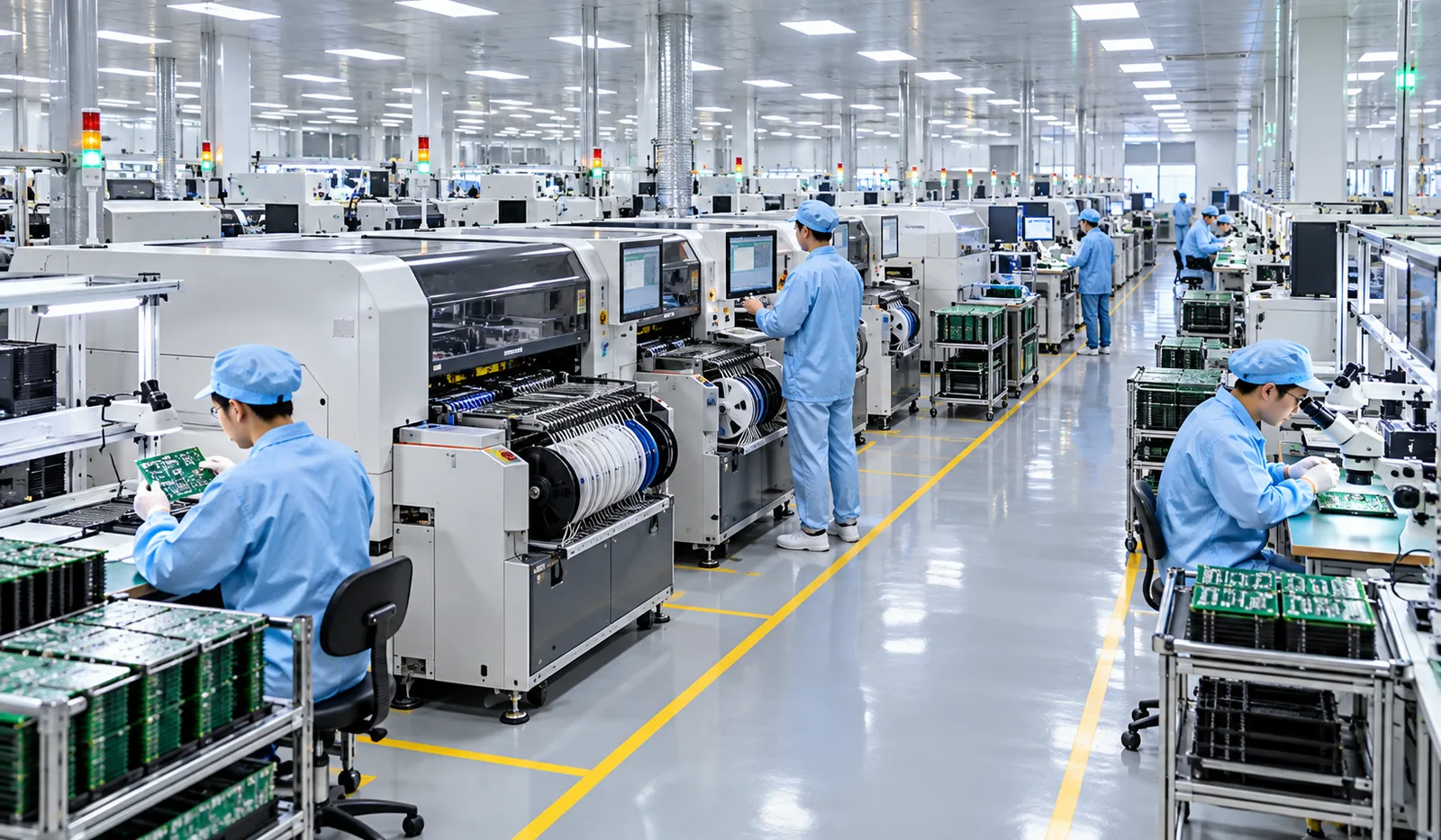
Assembly methods vary as well. Automated surface-mount technology (SMT) lines are efficient for high-volume runs, while manual or semi-automated assembly may be more practical for prototypes and small batches. When evaluating a quote, ask whether the assembler uses automated optical inspection (AOI) and X-ray testing, as these capabilities reduce defect rates and long-term rework costs.
Quality Control and Certification Impact
Certifications such as ISO 9001:2015, ISO 13485:2016, and IATF 16949:2016 signal that a manufacturer follows rigorous quality management systems. These standards require documented processes, regular audits, and traceability — all of which add some overhead but significantly reduce the risk of field failures.
The pcb assembly cost from a certified manufacturer may be slightly higher upfront, but the savings from fewer defects, less rework, and stronger reliability often outweigh the initial premium. For industries such as medical devices, automotive, and aerospace, compliance with these standards is not optional; it is a contractual or regulatory requirement.
Testing is another cost factor that pays for itself. In-circuit testing, functional testing, thermal stress testing, and solderability testing catch issues before boards ship. Manufacturers that include these services in their standard process deliver higher-quality assemblies and reduce your downstream liability.
How to Optimise Your PCB Assembly Budget
To get the best value, start with a clear specification. Provide complete design files, a detailed BOM, and any special requirements for materials or testing. Vague or incomplete specifications often lead to change orders and cost overruns.
Consider working with a manufacturer that offers transparent pricing and a dedicated account manager. Quick turnaround on quotes — some providers respond within two hours for bare boards and two working days for full assembly — lets you compare options without delaying your timeline.
Finally, factor in shipping and logistics. Express global shipping in secure packaging adds cost but may be necessary for time-sensitive projects. Some manufacturers offer warehousing and just-in-time delivery programs that can reduce inventory carrying costs for ongoing production.
By understanding these cost drivers, you can evaluate quotes more effectively, choose the right assembly partner, and keep your project on budget without compromising on quality.