
Selecting the right filtration system for a power generation facility is a decision that directly impacts operational efficiency, equipment longevity, and maintenance budgets. Both cartridge and bag filtration systems are widely used in the industry, but they serve different needs depending on flow rates, particle sizes, and operating conditions. This comparison breaks down the key differences to help plant engineers and procurement teams make an informed choice.
Understanding Cartridge Filtration Systems
Cartridge filters are cylindrical, self-contained units that capture contaminants as fluid passes through a pleated or depth-media element. They are known for their high dirt-holding capacity and consistent filtration efficiency across a wide range of particle sizes. In power plant applications, cartridge systems excel where fine filtration is critical — protecting sensitive downstream equipment such as turbines, pumps, and heat exchangers from abrasive particles and fouling.
One of the standout advantages of cartridge filtration is its ability to achieve micron ratings as low as 0.5 to 5 microns, making it ideal for polishing applications and high-purity fluid streams. The pleated design increases surface area within a compact housing, allowing for higher flow rates without sacrificing performance. Many modern cartridge filters also incorporate multi-layer media that can handle varying contaminant loads, reducing the frequency of change-outs.
However, cartridge systems typically come with a higher upfront cost per element compared to bag filters. Replacement intervals depend on the specific contaminant load, but when the pressure differential reaches the recommended limit, the entire cartridge must be replaced. This makes cartridge filtration a strong choice for applications where precision and reliability are non-negotiable.
Understanding Bag Filtration Systems

Bag filtration systems use a flexible, sock-like filter bag housed inside a metal or plastic vessel. Fluid flows through the bag, trapping solids on the interior surface or within the depth of the media. Bag filters are a workhorse solution in power plants, particularly for pre-filtration, cooling water systems, and applications with high flow rates and moderate contamination levels.
The primary appeal of bag filtration lies in its simplicity and cost-effectiveness. Filter bags are generally less expensive than cartridges, and the housings are straightforward to operate and maintain. Changing a bag is a quick process — typically requiring only a few minutes — which minimizes downtime during routine maintenance. Bag filters also handle higher flow rates than comparably sized cartridge housings, making them well suited for large-volume applications such as condenser cooling water or raw water intake.
On the downside, bag filters cannot achieve the same fine filtration precision as cartridge systems. Most standard bag filters operate in the 10 to 100 micron range, which is adequate for bulk solids removal but insufficient for polishing or protecting high-clearance equipment. Bag bypass — where unfiltered fluid leaks around the sealing ring — can also be a concern if the bag is not seated properly, reducing overall system efficiency.
Key Comparison Criteria
When evaluating cartridge versus bag filtration for power plant use, several performance factors come into play.
Filtration Efficiency. Cartridge filters consistently deliver higher removal efficiency at finer micron levels. For applications requiring absolute ratings or protection of critical rotating equipment, cartridges are the preferred choice. Bag filters are better suited for coarse to medium filtration where absolute efficiency is less critical.
Operating Cost and Maintenance. Bag filters have a lower per-unit replacement cost and faster change-out times, which can reduce labor expenses over the long term. Cartridge filters cost more per element but often last longer between changes in low-contaminant environments. The total cost of ownership depends heavily on the specific fluid quality and contamination profile of each plant.
Flow Rate and Pressure Drop. Bag housings typically accommodate higher flow rates with lower initial pressure drop, making them efficient for bulk filtration. Cartridge systems, while offering finer filtration, may require larger housings or multiple units to match the same flow capacity.
Space and Installation Footprint. Cartridge housings are more compact for a given filtration area, which can be an advantage in retrofits or space-constrained facilities. Bag systems generally require more vertical clearance for bag removal and replacement.
Waste Disposal. Used filter bags are often easier to handle and dispose of because they can be compressed or incinerated more readily than rigid cartridge cores. This can be a meaningful factor for plants with strict waste management protocols.
Matching the System to the Application
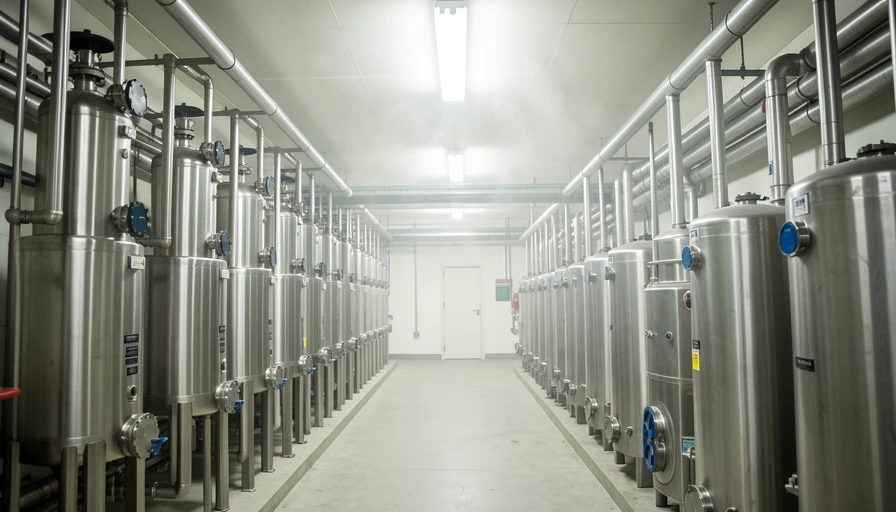
There is no universal winner in the cartridge-versus-bag debate. The right choice depends on where the filtration is installed and what it needs to protect.
For critical fluid circuits — such as lube oil, hydraulic control systems, or turbine seal oil — cartridge filtration is the standard. The fine filtration and high efficiency prevent micron-sized wear particles from causing damage that leads to unplanned outages. In these applications, the higher element cost is easily justified by the protection it provides.
For less demanding duties — such as cooling tower water, fire water, or general process water pre-filtration — bag systems offer a practical and economical solution. Their simplicity, low maintenance cost, and ability to handle high solids loads make them a reliable choice for bulk contaminant removal.
Many power plants use a hybrid approach: bag filters for pre-filtration to remove larger debris, followed by cartridge filters for final polishing. This staged configuration extends the life of the more expensive cartridge elements while maintaining overall system reliability.
Effective power plant filtration is not a one-size-fits-all proposition. By understanding the strengths and limitations of each technology, plant operators can design a filtration strategy that balances performance, cost, and operational simplicity.
Final Recommendation
For power generation facilities, the best filtration approach is often a layered one. Start with bag filtration on high-flow, moderate-duty streams to capture bulk contaminants economically. Follow with cartridge filtration on critical loops where fine particle removal is essential. This combination delivers robust protection without over-spending on premium filtration where it is not needed.
When selecting either system, pay close attention to seal integrity, media compatibility with process fluids, and the pressure rating of the housing. Working with a filtration partner who understands power plant conditions — including temperature extremes, vibration, and variable flow — ensures that the chosen system performs reliably over its intended service life.
The decision between cartridge and bag filtration ultimately comes down to the specific demands of each application. Both technologies have proven track records in the power sector. Matching the right tool to the right job keeps turbines spinning, heat exchangers clean, and maintenance intervals predictable.