
Key Takeaways
- Waterproof wire harnesses are essential for protecting electrical systems from moisture, dust, and harsh environments, ensuring reliable performance in industries like automotive, marine, and outdoor electronics.
- Key features include robust material selection, advanced sealing technologies, and high-IP rated connectors that block water ingress and prevent corrosion, meeting strict durability and safety standards.
- These harnesses are widely used in automotive engine compartments, marine control systems, outdoor LED lighting, and industrial automation, where ordinary wiring would fail due to environmental exposure.
- Selecting the right waterproof wire harness involves considering connector quality, material durability, electrical ratings, and proper assembly techniques tailored to specific application needs.
- Leading brands like Cloom Tech, Flexcontac, and Holly Electronics offer customizable, leak-tested harnesses with advanced protection for demanding applications.
- Proper maintenance and correct installation—such as using heat shrink tubing and regularly inspecting connectors—help prolong service life and maintain waterproof integrity.
Waterproof wire harnesses protect electrical systems from moisture, dust, and harsh environments using molded seals, gaskets, and specialised connectors that prevent water ingress and corrosion. These essential components are widely used in automotive engine compartments, marine electronics, outdoor lighting, and industrial automation where standard wiring would fail due to environmental exposure. Leading manufacturers like Cloom Tech engineer custom waterproof wire harness assemblies with IP67 ratings and advanced sealing technologies to ensure reliable performance and extended service life in demanding applications.
What Is a Waterproof Wire Harness?
A waterproof wire harness uses molded plastic seals, gaskets, and overmolded connectors to block moisture and contamination. These harnesses protect electrical circuits when exposed to rain, humidity, splashing, or submersion. Wire harnesses like these support outdoor equipment, off-road vehicles, marine electronics, sensors, and lighting systems. Cloom Tech in Florida engineers these assemblies according to IP67 or higher waterproofing standards, customizing insulation, conductor counts, and junction types as required by automotive, robotics, and medical device clients. Cloom Tech integrates terminal sealing, adhesive-lined heat shrink tubing, and UL-rated cable jacketing to prevent performance loss and corrosion, matching manufacturing to precise product specifications and regulatory demands.
Key Features of Waterproof Wire Harnesses
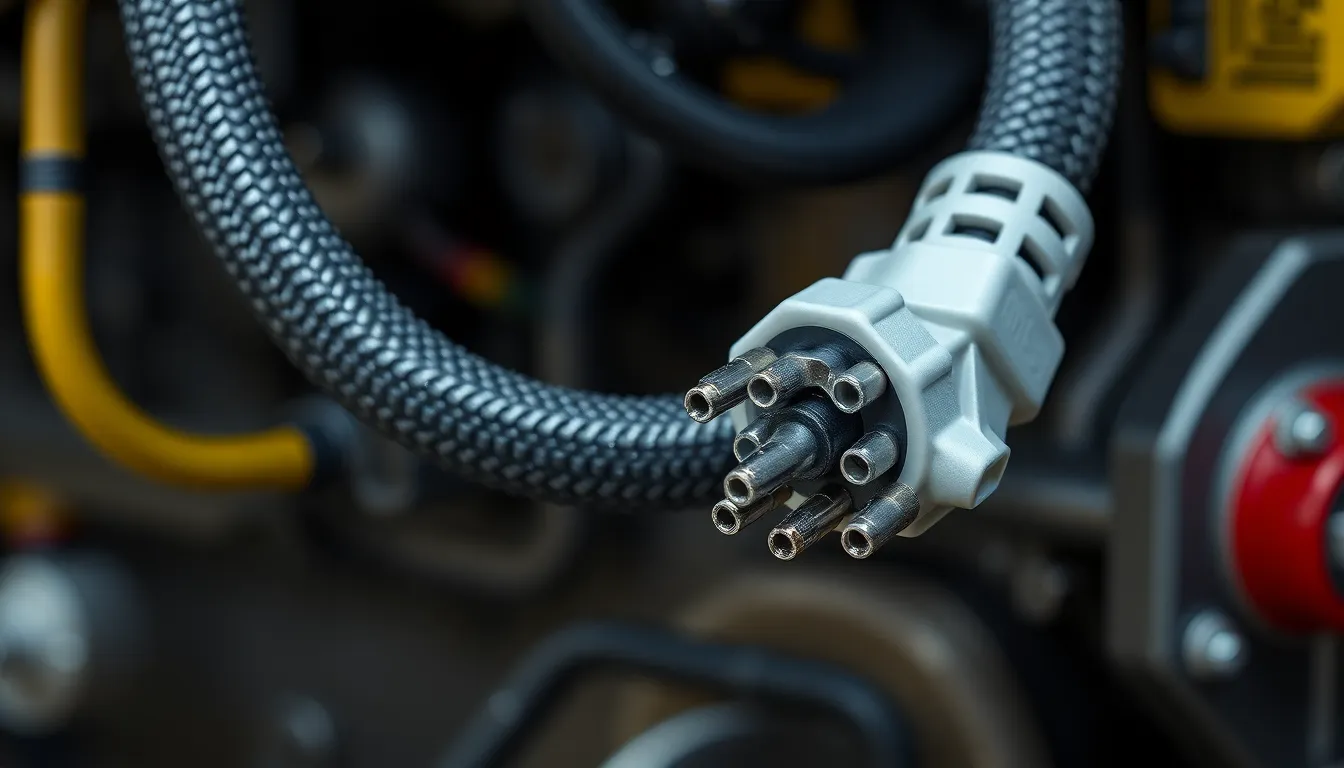
Waterproof wire harnesses protect sensitive circuits from water, dust, and corrosion. Key features center on robust material selection, precise assembly, and advanced sealing technologies tailored for reliable long-term performance.
Material Selection and Durability
Engineered waterproof wire harnesses use plastic sheathing and insulation materials such as PA6, PA66, PP, ABS, and PBT. These polymers provide high impact resistance, wear protection, and flame retardance under thermal and mechanical loads. Rubber seals, often made from natural rubber, neoprene, silicone rubber, or EPDM, block fluid entry at cable terminations. Cable construction may integrate water-blocking tapes or aluminum-plastic laminate sheaths for additional moisture defense. Cloom Tech uses UL-rated jacketing for added abrasion resistance and regulatory compliance in applications like automotive, medical devices, and robotics. Harnesses maintain flexibility and integrity under temperature swings and vibration exposure, supporting both indoor and outdoor use.
Connector and Seal Technology
Connectors for waterproof wire harnesses use airtight gaskets, molded housings, and terminal seals. Electrical contacts align to minimize gaps, while adhesive-lined heat shrink tubing adds a secondary water-tight barrier. Every harness undergoes sealing and airtightness verification—typically at 20kPa pressure for set intervals—ensuring compliance with IP67 and higher standards. Cloom Tech leverages precision crimping, custom overmolded connectors, and intelligent leak detection during manufacturing. This guarantees wire harnesses function safely in wet environments, including automotive engine compartments, outdoor lighting, and renewable energy systems. Enhanced sealing extends harness service life and reduces the risk of electrical shorts, downtime, and system failure in demanding applications.
Common Applications for Waterproof Wire Harnesses
Waterproof wire harnesses support critical electrical connections in conditions where standard wiring fails. Cloom Tech engineers assemblies that meet high moisture, temperature, and chemical resistance standards for specialized markets.
Automotive and Marine Uses
Automotive manufacturing uses waterproof wire harnesses to protect engine bay wiring, headlight assemblies, battery connections, and undercarriage sensors from dirt, oil, and water spray. Marine vessels rely on these harnesses for engine controls, pumps, navigation lights, radios, and safety systems. Sealed connectors and corrosion-resistant conductors prevent shorts and failures in battery bays and exposed compartments. Cloom Tech’s IP67 assemblies withstand saltwater, vibration, and thermal cycling, ensuring continuous electrical performance in vehicles and boats. Enhanced insulation materials further reduce the risk of system downtime due to environmental exposure.
Industrial and Outdoor Equipment
Outdoor LED lighting, power distribution panels, security cameras, and communication equipment depend on waterproof harnesses to block out rain and chemical spray. Heavy-duty harnesses connect control panels, sensors, and actuators in industrial automation, lighthouses, and field testing gear. Advanced polymers and thermal-resistant jacketing, as used by Cloom Tech, meet harsh climate needs and prevent cable degradation. Overmolded seals and UL rating options allow harnesses to perform in mud, humidity, and extreme heat. Reliable protection helps businesses reduce equipment maintenance and extend system service life in challenging outdoor sites.
Pros and Cons of Waterproof Wire Harnesses
Waterproof wire harnesses deliver essential moisture protection for exposed electrical systems, critical for reliability in automotive, marine, and outdoor environments. Cloom Tech in Florida manufactures fully sealed assemblies to stop short circuits and prevent corrosion at connection points using precision-applied gaskets, molded housings, and terminal seals.
Pros:
- Protection Against Water Damage: Waterproofing blocks water from reaching copper contacts, helping prevent shorts and corrosion in harsh environments such as automotive engine bays or marine control panels.
- Enhanced Durability: Specialized jacketing, rubber seals, and encapsulation guard wires and terminals from corrosion, vibration, and salt spray, extending service life for equipment used outdoors or in agriculture.
- Reliable Connections: High-grade connectors with overmolded insulation maintain stable electrical conductance even with temperature swings, heavy vibration, or occasional water immersion.
- Time and Error Reduction: Cloom Tech supplies pre-assembled, tested harnesses that streamline installation and cut manual wiring errors during field repairs or equipment integration.
Cons:
- Higher Cost: Premium waterproof connectors, encapsulation, and labor in assembly raise manufacturing costs over standard wire harnesses.
- Design and Manufacturing Complexity: Waterproof assemblies require precise access for seals, careful routing, and tight spacing to avoid leaks, complicating production.
- Size and Flexibility Limitations: Some waterproof wire connectors only fit certain wire gauges and may offer less flexibility in bends, limiting use in compact routing.
- Potential for Incomplete Protection: Weakness during installation, including incorrect use of dielectric grease or improper wire stripping, can let moisture reach conductive areas, increasing risk of corrosion.
Selecting the right waterproof wire harness involves balancing environmental risk, performance needs, and allowable cost, with Cloom Tech offering custom-engineered solutions for complex requirements.
How to Choose the Right Waterproof Wire Harness
Selecting the right waterproof wire harness involves matching the harness to application-specific risks, performance needs, and product safety standards. Cloom Tech in Florida engineers assemblies for compatibility, reliability, and regulatory compliance in critical sectors.
Important Factors to Consider
Choosing a waterproof wire harness starts with these core factors:
- Connector Quality: Use high-IP rated connectors to block water entry. For wet engine bays or marine panels, IP67 or IP68 rated designs prevent water ingress at the contact interface.
- Material Durability: Select heat-resistant, salt spray-resistant insulation such as crosslinked polyolefin or PA66; copper conductors ensure stable conductivity.
- Electrical Ratings: Specify wire gauge and voltage according to load charts. For a 12V system, a 2.5 mm² wire supports up to 30A, avoiding overheating.
- Design Approach: Place vulnerable splices or terminals above likely water contact lines; Cloom Tech utilizes overmolding and encapsulation at high-exposure junctions.
- Assembly Techniques: Apply branch cross-winding, silicone grommets, and terminal sealing. Each assembly uses leak checks and pull tests for validation.
- Custom Fit: Match cable harnesses to existing system routes and connectors for mechanical and electrical compatibility.
| Factor | Example Application | Best Practice |
|---|---|---|
| Connector Quality | Outdoor LED screens | Use IP67 sealed connectors |
| Material Durability | Marine control panels | Choose saltwater-resistant insulation |
| Electrical Ratings | Heavy-duty pumps | Correct wire gauge for amperage |
| Design Approach | Vehicle wiring looms | Water line routing and above-water splices |
| Assembly Techniques | Agricultural sensors | Overmolded joints |
| Custom Fit | Robotics or medical devices | Tailored harnesses matched to connectors |
Leading Brands and Products
Brands offering reliable waterproof wire harnesses focus on quality manufacturing and application customization:
- Cloom Tech (Florida): Specializes in IP67+ custom harnesses using overmolded connectors, high-temperature jacketing, and terminal sealing. Engineers tailor designs for automotive, robotics, and outdoor electronics, using UL-rated and RoHS-compliant components.
- Flexcontac: Supplies high-IP connectors, branch-sealed harnesses, and robust assemblies for agricultural and construction equipment operating in wet and rough environments.
- Holly Electronics: Delivers custom wire harnesses with advanced waterproofing and corrosion-resistant finishes, supporting LED displays and marine control systems.
- Meridian Cable Assemblies, Tevelec: Manufacture precision harnesses for harsh environments, supplying industrial automation and energy infrastructure with IP-rated plug-and-play cable assemblies.
Each supplier provides leak-tested, durable wire harnesses built with insulation, conductor, and connector selections configured for demanding outdoor or vehicle applications. Cloom Tech supports end-to-end design, prototyping, and volume manufacturing in compliance with client specifications.
Maintenance and Installation Tips
Cleaning waterproof wire harnesses increases service life by removing debris and moisture. Use a dry cloth or mild detergent for the outer jacket, and check for cracks, frayed wires, corrosion, or terminal damage after each cleaning. Installers catch early failures with inspections, which lowers replacement costs.
Protect harnesses from temperature extremes with heat-resistant sleeves in engine bays and insulation specified for cold exposure. Events of insulation melting or cracking decrease when assemblies use materials rated for the application, like Cloom Tech’s UL-listed cable jackets.
Block moisture entry at connections with heat shrink tubing, o-rings, or potting compounds. For marine, automotive, or outdoor harnesses, apply water-repellent lubricants on connectors and terminals to reduce insertion force, stop rust, and maintain stable conductivity.
Ensure each connection point uses the right waterproof connector size, plug, or nut for the wire gauge and environmental exposure. Carefully strip wire insulation and crimp terminals to prevent loose strands, then insert and lock wires into connector housings until connections are secure.
Align and assemble plug halves precisely when connecting, so harness seals remain waterproof and structurally stable. In harsh environments, periodically inspect plugs and cable seals for wear or failure.
Cloom Tech’s technicians follow these procedures using in-house crimping, overmolding, and leak testing to achieve IP67 waterproofing on custom assemblies for automotive, medical device, and outdoor electronic projects.
About Cloom Tech
Cloom Tech, located in Medley, FL, specializes in manufacturing custom wire harnesses and cable assemblies for a range of industries, including automotive, robotics, medical devices, and aerospace.
Led by spokesperson Ivy Zhao, Cloom Tech offers end-to-end services from prototype design to production, ensuring high-quality, durable, and reliable wiring solutions that meet the unique requirements of each project. Their commitment to precision and quality supports industries in achieving their operational and manufacturing goals.
Contact:
Ivy Zhao, Spokesperson
Phone: +1 863 434 8447
Email: [email protected]
Website: www.cloomtech.com
Location:
9251 NW 112th Ave, Medley, FL 33178, USA
Frequently Asked Questions
What is a waterproof wire harness?
A waterproof wire harness is an assembly of wires, connectors, and insulating materials designed to prevent moisture, dust, and debris from entering and damaging electrical connections. These harnesses feature molded seals, gaskets, and special jackets to ensure reliable performance in harsh or wet environments.
Why are waterproof wire harnesses important?
Waterproof wire harnesses are crucial in protecting electrical systems from water and contaminants, reducing the risk of short circuits, corrosion, and equipment failure. They are essential for safety and reliability in automotive, marine, outdoor electronics, and industrial industries.
Where are waterproof wire harnesses commonly used?
They are widely used in automotive wiring, marine electronics, outdoor lighting, security systems, industrial automation, and any application exposed to moisture and harsh conditions. Common examples include vehicle engine bays, boat controls, outdoor LED systems, and machinery panels.
How do waterproof wire harnesses work?
Waterproof wire harnesses use tight-fitting connectors, rubber gaskets, overmolded plastics, and adhesive-lined heat shrink tubing to block out water and dust. These features create sealed pathways that protect internal wires from environmental hazards.
What is IP67 waterproof rating for wire harnesses?
An IP67 rating means the wire harness is completely protected against dust ingress and can withstand temporary immersion in water up to 1 meter deep for 30 minutes. This rating ensures reliable operation in very challenging environments.
What materials are used in waterproof wire harnesses?
Durable plastics like PA6, PA66, PP, ABS, and PBT are used for connectors, while rubber seals, UL-rated jacketing, and adhesive-lined heat shrink tubing protect wires from moisture, vibration, and abrasion.
What are the main advantages of waterproof wire harnesses?
Key advantages include protection against water damage, resistance to corrosion, long service life, and highly reliable electrical connections—even in severe or wet environments. They also help reduce maintenance needs and equipment downtime.
Are there any drawbacks to using waterproof wire harnesses?
Yes, drawbacks include higher costs, greater design and assembly complexity, and the possibility of incomplete protection if installation is not done properly. Size and fit limitations may also apply, depending on application requirements.
How do I choose the right waterproof wire harness for my project?
Consider the specific environment, performance standards, required connector types, material durability, electrical ratings, and regulatory guidelines. Work with experienced suppliers who can customize harnesses to your application’s exact needs.
Who are some leading manufacturers of waterproof wire harnesses?
Top manufacturers include Cloom Tech, Flexcontac, Holly Electronics, and Meridian Cable Assemblies. These companies offer leak-tested, custom-engineered harnesses for applications in automotive, marine, industrial, and outdoor electronics.
How should I maintain a waterproof wire harness?
Regularly inspect and clean the harness to remove moisture and debris. Use heat-resistant sleeves for temperature protection and apply water-repellent lubricants to connectors. Ensure connectors are properly fitted and terminals securely crimped during installation.
What is involved in the installation of a waterproof wire harness?
Proper installation requires selecting the right connector size, ensuring secure terminal crimps, and following recommended sealing techniques. Precise assembly and leak testing, as done by companies like Cloom Tech, are essential for full waterproofing and long-term reliability.